
Tribology in Automation and Machinery
- By Timothy Russel
- •
- 08 Jan, 2018
An introduction to the science of tribology, the study of friction, lubrication and wear.
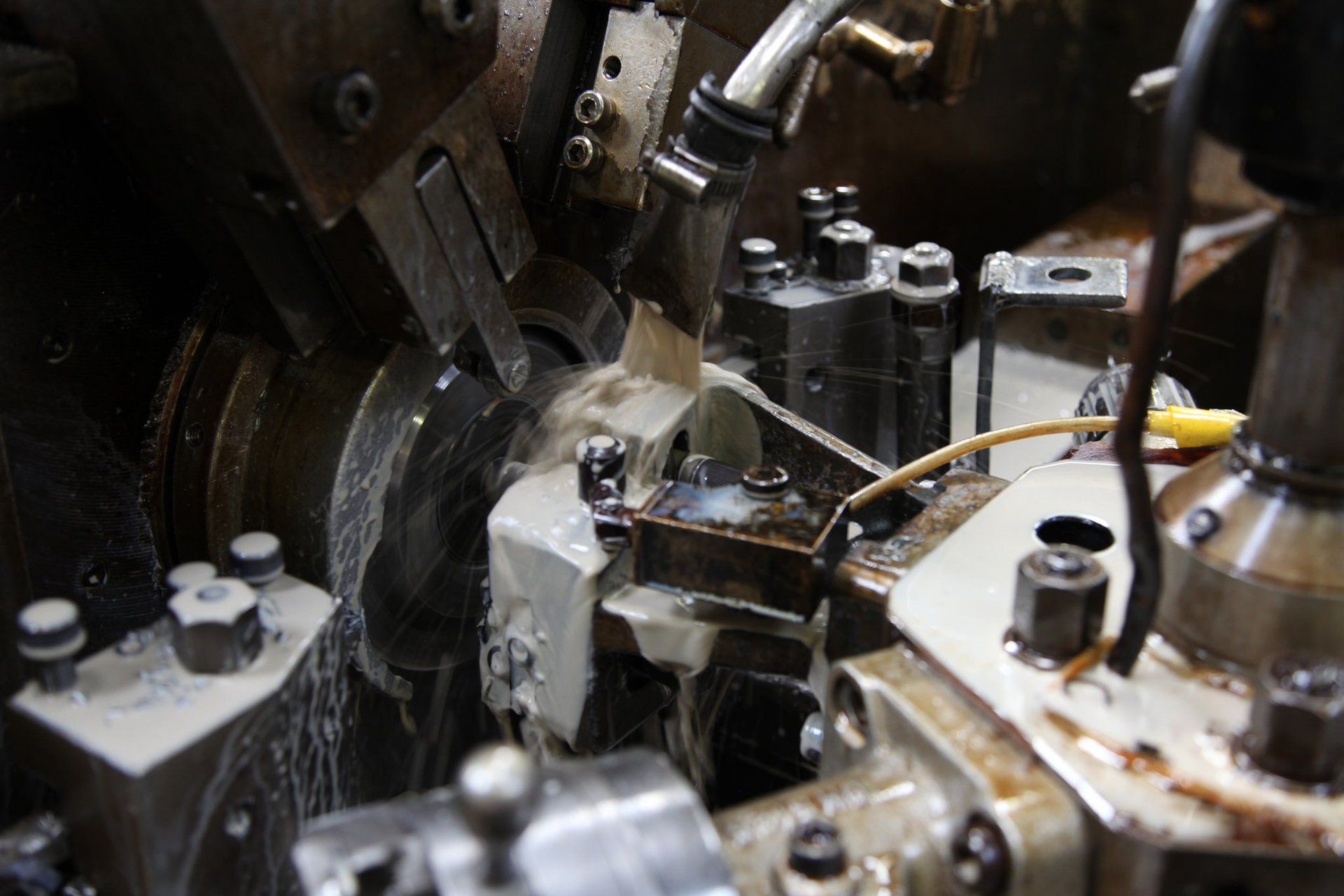
Tribology may sound as if it has something to do with “tribes,” but actually it is a scientific study of friction, lubrication and wear. It is derived from the Greek word “tribo,” meaning to rub. In the mechanised and industrialised world today there are a multitude of ways that we can use tribology
in automation and machinery.
The word was coined as a term by Peter Jost in 1966, in a report he wrote about friction, wear and corrosion, and its cost to the British economy.
However, tribology is not exactly a new science because there is evidence that ancient cultures, such as the Egyptians and the early Chinese, were well aware of the importance of reducing friction in carts and carriages, and employed various lubricants to help smooth running.
In the modern world, the understanding and study of tribology is leading to many improvements in the functioning of machinery, as well as greater energy efficiency. Tribology is a lot more complex than it may at first appear, because it involves more than one science, involving as it does, electrical machinery, engineering, chemical interactions and composition of lubricants and surfaces utilised. Let us take a better look at how tribology is being developed today.
The word was coined as a term by Peter Jost in 1966, in a report he wrote about friction, wear and corrosion, and its cost to the British economy.
However, tribology is not exactly a new science because there is evidence that ancient cultures, such as the Egyptians and the early Chinese, were well aware of the importance of reducing friction in carts and carriages, and employed various lubricants to help smooth running.
In the modern world, the understanding and study of tribology is leading to many improvements in the functioning of machinery, as well as greater energy efficiency. Tribology is a lot more complex than it may at first appear, because it involves more than one science, involving as it does, electrical machinery, engineering, chemical interactions and composition of lubricants and surfaces utilised. Let us take a better look at how tribology is being developed today.

Miniaturisation and Vapour-phase lubrication
The increased miniaturisation of machinery and devices has meant that tribology research has had to develop ways of getting a lubricant into a very small area and to ensure its durability when there is so little of it. Nanotribology is a new branch of the science and Atomic Force Microscopy has aided its progress.
Vapour-phase is a new alternative to liquid lubricants, however, it needs sealed containment to prevent losing the vapour, which is much more difficult to control. National University of Singapore researchers have discovered a way of placing fixed amounts of lubricants onto the surface of a Micro-Electrical-Mechanical-System. Where a new necessity is coming about, a solution is being found, and this applies as much with tribology as with other branches of science.
Tribology in Space Lubricants
Tribology is at the forefront of cutting-edge technology, including space research and development. The Lehig University has a Tribology Laboratory where researchers are developing applications for extreme temperatures and for use in a space environment. Professor Nobuyoshi and his team, of Saga University in Japan, have been studying friction and wear in space lubricants.
Green Tribology
Another very recent development and use for tribology has been in the search for sustainable resources and green technology. Green tribology has focused on the ecological issue of sourcing raw material for lubricants. There is an ongoing drive to move away from fossil fuel based industries, machinery and vehicles, and tribology has found a place here too.
Wherever there is the possibility of wear being generated by the friction caused by mechanical parts, and wherever a means of lubrication can be used to create smoother running, as well as the saving of energy, tribology is finding a place.
The increased miniaturisation of machinery and devices has meant that tribology research has had to develop ways of getting a lubricant into a very small area and to ensure its durability when there is so little of it. Nanotribology is a new branch of the science and Atomic Force Microscopy has aided its progress.
Vapour-phase is a new alternative to liquid lubricants, however, it needs sealed containment to prevent losing the vapour, which is much more difficult to control. National University of Singapore researchers have discovered a way of placing fixed amounts of lubricants onto the surface of a Micro-Electrical-Mechanical-System. Where a new necessity is coming about, a solution is being found, and this applies as much with tribology as with other branches of science.
Tribology in Space Lubricants
Tribology is at the forefront of cutting-edge technology, including space research and development. The Lehig University has a Tribology Laboratory where researchers are developing applications for extreme temperatures and for use in a space environment. Professor Nobuyoshi and his team, of Saga University in Japan, have been studying friction and wear in space lubricants.
Green Tribology
Another very recent development and use for tribology has been in the search for sustainable resources and green technology. Green tribology has focused on the ecological issue of sourcing raw material for lubricants. There is an ongoing drive to move away from fossil fuel based industries, machinery and vehicles, and tribology has found a place here too.
Wherever there is the possibility of wear being generated by the friction caused by mechanical parts, and wherever a means of lubrication can be used to create smoother running, as well as the saving of energy, tribology is finding a place.

Sales outsourcing is a proven hit in boosting company sales worldwide in a cost-effective way. Many organizations have turned to sales outsourcing companies to help them grow their sales and revenue in their businesses.
Sales outsourcing is getting third-party companies' services to sell products on your behalf using your sales methods. Through sales outsourcing, you will be able to get the best talents who will explore the untapped potential of your business and help expand it into a new market for your products and services. You will save time and money as you won't be required to train your in-house team. There are various types of sales outsourcing, namely;
Sales outsourcing is getting third-party companies' services to sell products on your behalf using your sales methods. Through sales outsourcing, you will be able to get the best talents who will explore the untapped potential of your business and help expand it into a new market for your products and services. You will save time and money as you won't be required to train your in-house team. There are various types of sales outsourcing, namely;
- Outside sales ; this is face-to-face sales with your customer—physical meeting with customers.
- Inside sales , also known as virtual sales, sales are made through electronic means like 24/7 availability through chat, SMS, social media channels, or the mail.
- International outsourcing ; entering new international markets.
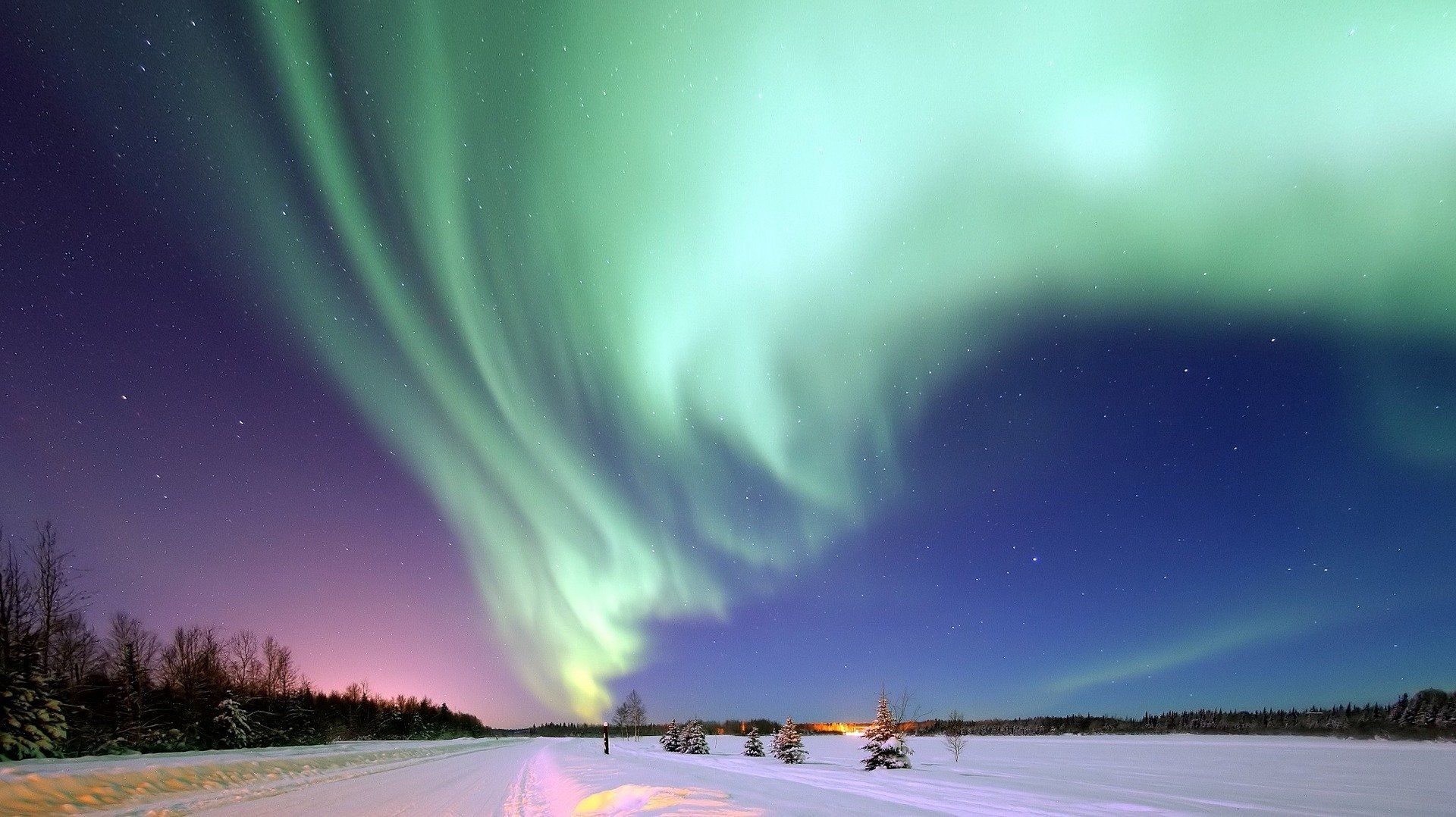
Aurora borealis or the northern lights are the light phenomena created by solar wind particles in Earth's atmosphere. However, particles can not reach the atmosphere at any time and at any time, but the Earth's magnetic field largely protects it from particles smuggling. Particularly in the polar regions it is possible to see the revolutions. The reason for this is the dipolymic structure of the magnetic field, which can cause aurora borealis around the magnetic poles.
Due to its location in the north, Finland is a fairly good place to observe the phenomenon, in Lapland , there may even be a yearning on average every other night. On the other hand, the phenomenon in southern Finland is already far less common. Recreational observers have some scientific significance, and aesthetic interest in the phenomenon is great. The group monitors the situation in the northwest by predictions and also makes observations. Observations will be collected through the Taivaanvahti.fi service.
Due to its location in the north, Finland is a fairly good place to observe the phenomenon, in Lapland , there may even be a yearning on average every other night. On the other hand, the phenomenon in southern Finland is already far less common. Recreational observers have some scientific significance, and aesthetic interest in the phenomenon is great. The group monitors the situation in the northwest by predictions and also makes observations. Observations will be collected through the Taivaanvahti.fi service.

If you love to play chess or just care about some amazing info about the game - maybe you have not heard about our Aunt Bike - then here's your place!
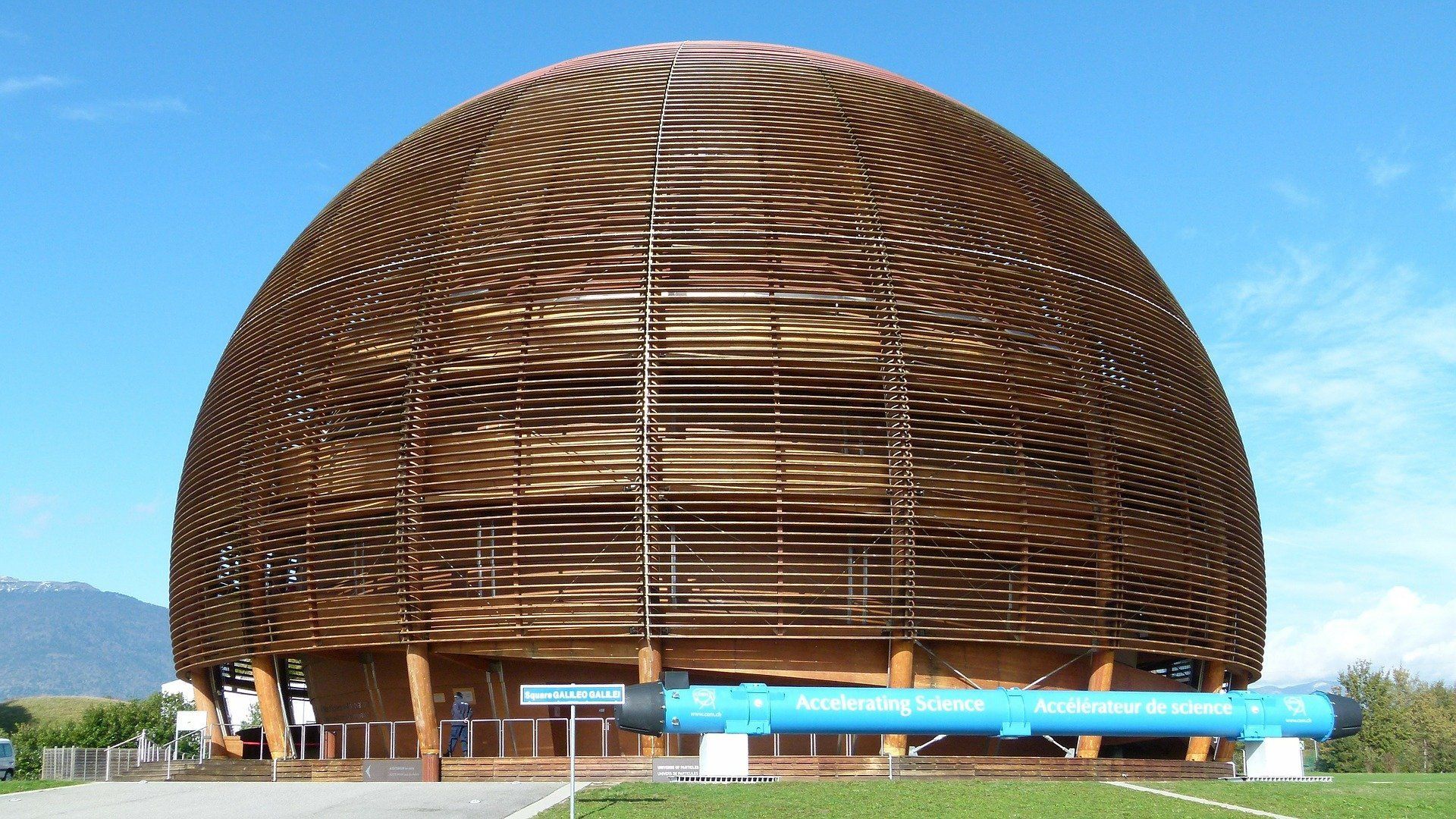
CERN
is the most distinguished and celebrated research organisation dedicated to science and particle acceleration.

You can tune in for live casts from NASA
for peculiar events and milestones for our humanity. In case you missed some events, you can also watch them later, but of course it is the most exciting live!
For example, NASA's Juno Space Probe has been launched seven years ago and has been circling around Jupiter for nearly two years (209,000 km / h) to produce photographs of all the largest planet in our solar system.
For example, NASA's Juno Space Probe has been launched seven years ago and has been circling around Jupiter for nearly two years (209,000 km / h) to produce photographs of all the largest planet in our solar system.
